
Acrylic windows and panels are at the heart of modern aquarium design. From large public aquariums to custom residential installations, they create immersive underwater views while offering exceptional strength and clarity. At ClearRock, we specialize in customized acrylic solutions for aquariums, swimming pools, and skysights, but aquariums in particular demand a more tailored approach to maintenance.
In this guide, we focus on how to properly care for acrylic aquarium windows and panels, helping you preserve their beauty and performance over time.
Why Aquarium Acrylic Requires Special Care
Unlike standard pool installations, aquarium panels are constantly exposed to:
- Biological activity such as algae and microorganisms
- Frequent cleaning routines
- Lighting systems that promote growth on surfaces
Because acrylic is softer than glass, improper cleaning or tools can quickly lead to scratches and reduced visibility. Proper maintenance ensures:
- Crystal clear viewing
- Healthy aquatic environments
- Long term structural reliability
1. Safe and Effective Cleaning Techniques
Cleaning aquarium acrylic is a regular necessity, but it must be done carefully.
Best Practices:
- Use acrylic safe algae scrapers or magnetic cleaners designed specifically for acrylic
- Rinse tools before use to avoid trapped debris scratching the surface
- Use soft microfiber cloths for exterior cleaning
- Clean gently and consistently rather than aggressively and infrequently
Avoid:
- Standard glass scrapers as they can cause deep scratches
- Abrasive pads or brushes
- Household cleaners containing ammonia or alcohol
2. Controlling Algae Growth
Algae buildup is one of the biggest challenges in aquarium maintenance.
Prevention Tips:
- Maintain balanced lighting and avoid excessive exposure
- Monitor nutrient levels in the water
- Introduce algae eating species where appropriate
- Clean panels regularly to prevent stubborn buildup
Consistent algae control reduces the need for intensive cleaning, which helps protect the acrylic surface.
3. Protecting Against Scratches
Scratches are the most common issue with acrylic aquarium panels.
How to Minimize Risk:
- Always inspect cleaning tools for sand or grit before use
- Avoid contact between panels and decorations, rocks, or equipment
- Train staff or homeowners on acrylic safe cleaning procedures
Minor scratches can often be polished out, but prevention is always the best approach.
4. Water Quality and Chemical Balance
Water chemistry plays a critical role in both aquatic life and acrylic longevity.
Key Considerations:
- Maintain stable pH and salinity levels
- Avoid sudden chemical changes
- Ensure filtration systems are functioning properly
Imbalanced water conditions can lead to clouding or long term wear on acrylic panels.
5. Inspecting Seals and Panel Integrity
Aquarium panels are engineered to withstand constant pressure, but regular inspections are essential.
What to Look For:
- Any signs of leaks or moisture at seams
- Stress marks, hazing, or distortion
- Changes in panel alignment or bonding
Routine checks help catch potential issues early, ensuring safety and durability.
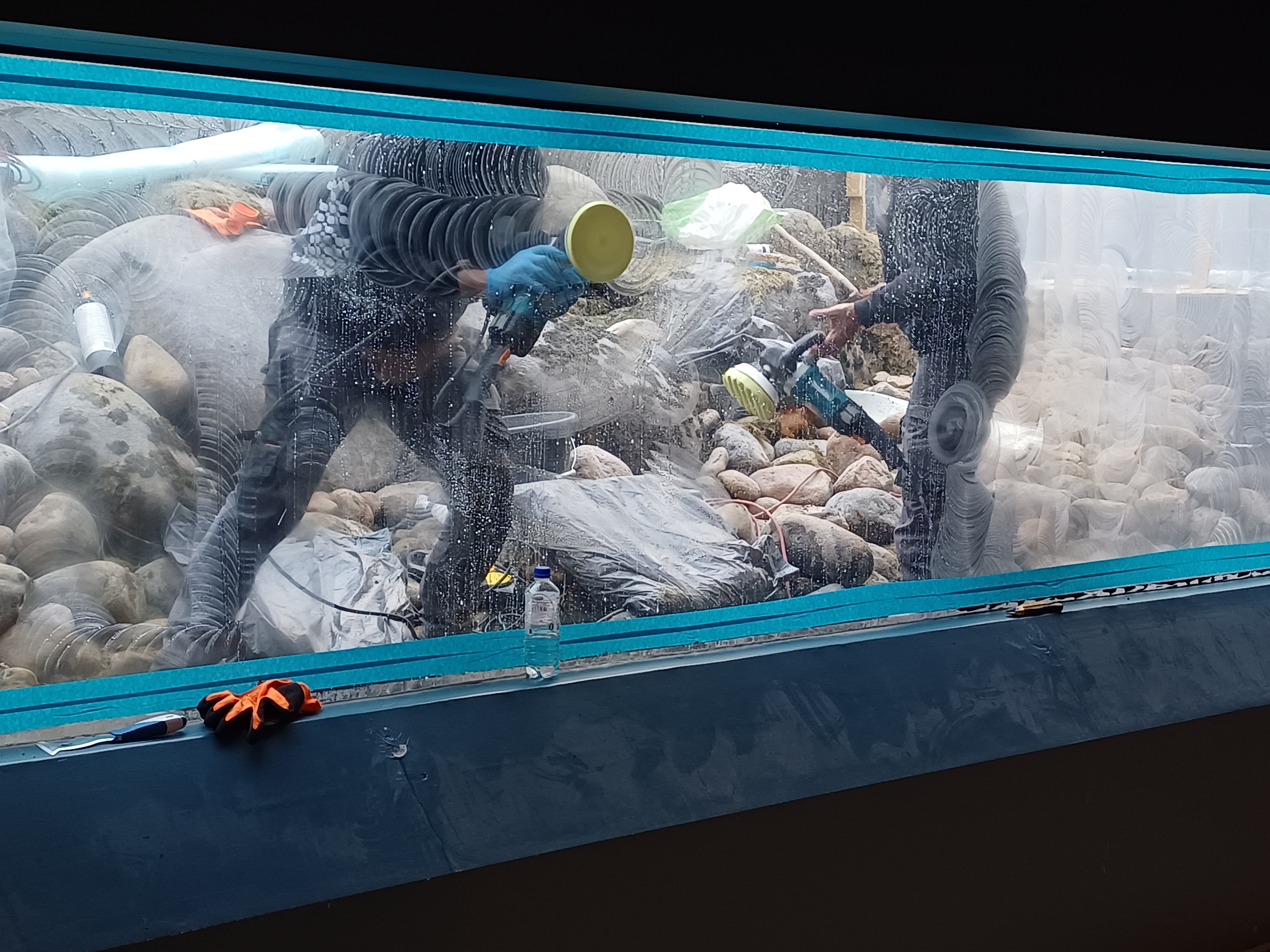
6. Polishing and Restoration
Over time, even well maintained aquarium panels may develop fine scratches or lose clarity.
Restoration Options:
- Use specialized acrylic polishing systems for light scratches
- Schedule professional resurfacing for larger panels
- Avoid DIY fixes for deep damage and consult experts
ClearRock offers guidance on restoration approaches tailored to custom installations.
7. Long Term Care for Large Installations
For public aquariums or large custom builds, maintenance should be part of a structured plan.
Recommendations:
- Establish a regular cleaning and inspection schedule
- Train staff in acrylic safe handling techniques
- Use only approved tools and products
- Partner with specialists for periodic deep maintenance
Final Thoughts
Acrylic aquarium windows and panels are more than just viewing surfaces. They are critical structural and visual elements that define the entire experience. With proper care, they can remain crystal clear and structurally sound for decades.
At ClearRock, we design and manufacture custom acrylic windows for aquariums, swimming pools, and skysights. Our expertise ensures not only stunning installations but also long term performance when paired with the right maintenance practices.
By following these aquarium focused guidelines, you will protect your investment and keep your aquatic displays looking their absolute best.