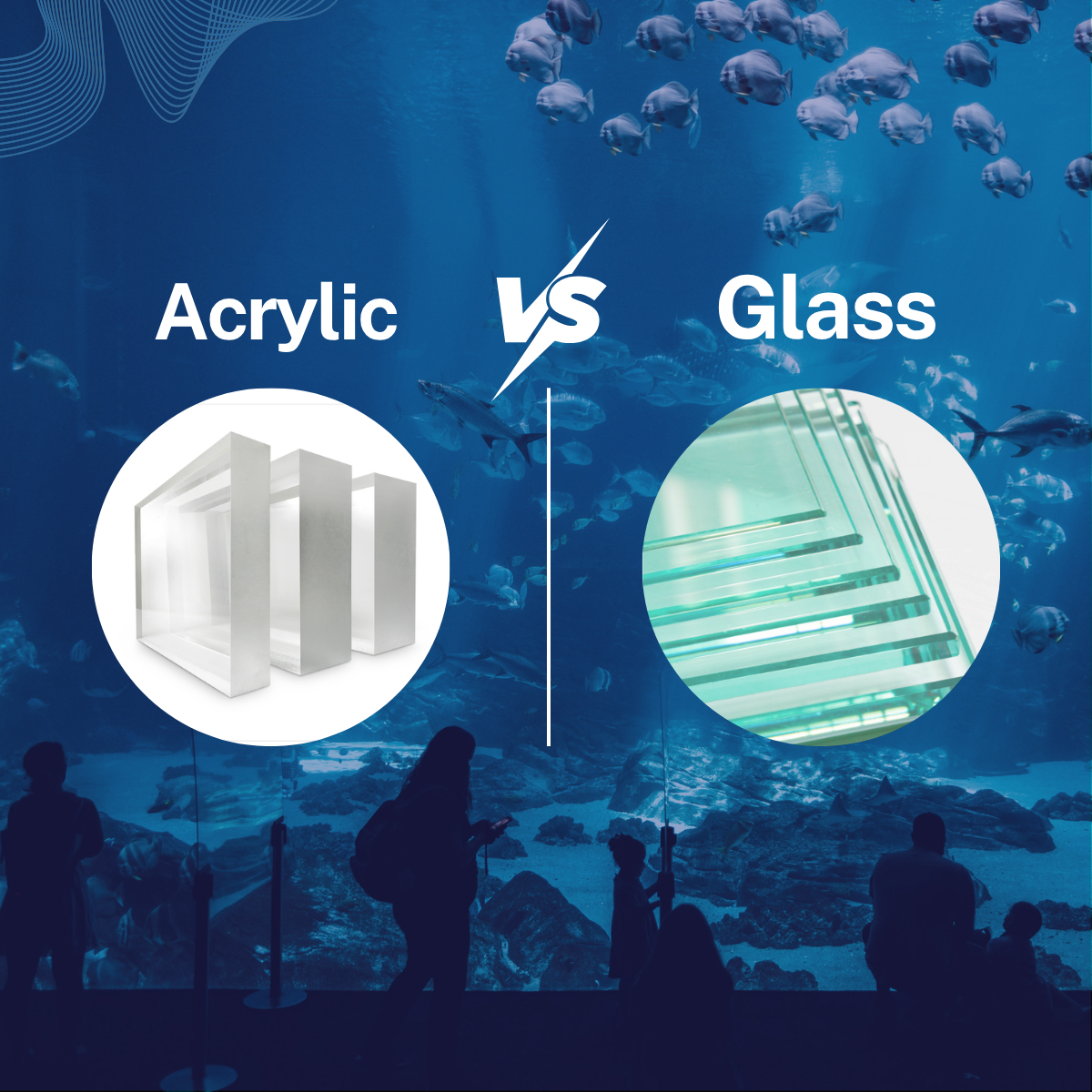


Pool windows are no longer just a luxury feature. They are a statement. Whether in high end residential pools, luxury hotels, or aquatic facilities, transparent pool walls create a striking visual connection between water and space. But when it comes to choosing the right material, one question always comes up:
Acrylic or glass, which is better for pool windows?
While both materials offer transparency and aesthetic appeal, they perform very differently under the demands of underwater environments. Let’s break down the key differences so you can make an informed decision.
1. Strength and Impact Resistance
One of the most critical factors for pool windows is structural strength.
Acrylic is significantly stronger than glass. It is up to 17 times more impact resistant. This makes it ideal for handling the constant pressure exerted by large volumes of water, especially in deeper pools or large viewing panels.
Glass, while strong in compression, is more brittle. It can crack or shatter under impact or stress, making it less forgiving in demanding environments.
Bottom line: For safety and durability, acrylic has a clear advantage.
2. Clarity and Visual Performance
Both materials are transparent, but there is a noticeable difference in visual quality.
Acrylic offers exceptional optical clarity, often exceeding that of glass. It transmits more light and has less distortion, especially in thicker panels, making it perfect for underwater viewing.
Glass can develop a greenish tint as thickness increases, which may slightly affect color accuracy and viewing experience.
Bottom line: Acrylic delivers a clearer, more immersive view.
3. Weight and Installation
Material weight plays a big role in design flexibility and installation.
Acrylic is about half the weight of glass, making it easier to transport, handle, and install. This also allows for more ambitious designs, such as large seamless panels or curved windows.
Glass is heavier and more rigid, which can limit design possibilities and increase installation complexity and cost.
Bottom line: Acrylic offers greater design freedom and easier installation.
4. Design Flexibility
Modern pool designs often push creative boundaries.
Acrylic can be thermoformed and molded into curved or custom shapes without compromising strength. This makes it ideal for unique architectural features such as wraparound windows or tunnel like structures.
Glass is typically limited to flat panels and has less flexibility when it comes to complex geometries.
Bottom line: Acrylic opens the door to more innovative designs.
5. Maintenance and Longevity
Both materials require maintenance, but they age differently.
Acrylic is more prone to surface scratching but can be polished and restored to its original clarity, even after years of use.
Glass is more scratch resistant but cannot be easily repaired if damaged. Once scratched or chipped, replacement is often the only option.
Bottom line: Acrylic is more maintainable over the long term.
Why Acrylic Is the Preferred Choice
For pool windows, especially large, custom, or high performance installations, acrylic consistently outperforms glass. Its combination of strength, clarity, flexibility, and longevity makes it the material of choice for architects, engineers, and designers worldwide.
At ClearRock, we specialize in custom engineered acrylic windows for pools, aquariums, zoos, and architectural applications. Every project is tailored to meet exact specifications, ensuring both safety and stunning visual impact.
Final Thoughts
Choosing between acrylic and glass ultimately comes down to performance, safety, and design goals. While glass has its place, acrylic offers the versatility and reliability needed for modern aquatic architecture.
If you are planning a pool window or exploring design possibilities, the right material makes all the difference. Acrylic leads the way.